Monday, October 19, 2026

How to Mitigate Crypto Trading Risks: A Step-by-Step Guide

Table of Contents

Last Updated: October 18, 2026

Understanding Crypto Trading Risk Exposure

Cryptocurrency trading carries real financial dangers that go beyond typical investment risks. Most people focus only on price swings, but the actual threats are much broader. According to research on cryptocurrency inherent risks from the American Accounting Association, understanding how to interact with exchanges and confirming your cryptocurrency balances are critical steps to help mitigate risk.

The market moves fast and unpredictably. We've seen traders without a structured strategy take unexpected losses.

Your main risks include:

  • Price drops that wipe out your gains in hours
  • Exchange failures or hacks that lock you out of your funds
  • Scams designed to steal your money or private keys

Crypto Risk Management Strategies That Work

Mitigate crypto trading risks by building a system before you trade a single dollar. The best traders follow a written plan, not gut feelings.

Your risk management strategy should cover five core areas:

  1. How much of your money you're willing to risk per trade
  2. When you'll exit a losing position
  3. When you'll lock in profits
  4. How you'll spread your money across different assets
  5. Whether you'll use borrowed money (spoiler: you shouldn't)

Each decision cuts losses and protects capital. Start with the first.

Step 1: Establish Your Risk Tolerance and Position Size

Position sizing is the single most important decision you'll make as a trader.

The rule: never risk more than 1-2% of your total trading capital on a single trade.

Losing streaks happen to everyone.

To calculate position size: start with total capital, multiply by your risk percentage (1-2%), and divide by how far the trade could move against you.

Example: You have $5,000. You're willing to risk 2%, so $100 per trade. You're buying Bitcoin at $45,000 and your stop-loss is at $44,000.

Step 2: Set Stop-Loss and Take-Profit Orders

A stop-loss order automatically sells your position when the price drops to a set level, removing emotion from the decision.

Set these orders the moment you enter a trade.

Place your stop-loss just below a support level or where it matches your risk tolerance, if you're risking $100, it sits where you lose exactly $100.

Your take-profit should be at least twice as far away as your stop-loss. If you risk $100 to make $200, that's a 1:2 risk-reward ratio.

$$ WINVEST $$ - START EARNING 3% DAILY FOR 60 DAYS NOW! →

Strategy Setup Best For
Stop-Loss Order Set 3-5% below entry Limiting downside losses
Take-Profit Order Set 6-10% above entry Locking in gains automatically
Trailing Stop Moves up as price rises Protecting profits in strong trends
Guaranteed Stop Pays small fee for guaranteed exit High-volatility assets

Step 3: Build a Diversified Cryptocurrency Portfolio

Don't put all your money into Bitcoin or a single trade. Spread capital across cryptocurrencies and trade types.

A basic diversified approach:

  • 40% in established cryptocurrencies (Bitcoin, Ethereum)
  • 30% in mid-cap coins with real utility
  • 20% in smaller positions you're testing

If one asset crashes, the others keep you stable, these assets don't all move the same direction at once.

Pro Tip Rebalance your portfolio every month. Sell your best performers and buy your worst performers. This forces you to sell high and buy low automatically.

Step 4: Avoid Use and Margin Trading

Use lets you borrow money to trade with more capital than you have. It sounds like free money. It's not.

Example: You have $1,000 and use 5x use, controlling $5,000 of Bitcoin. Bitcoin drops 10% and your $1,000 is gone, the exchange closes your position. With no use, that same drop costs you $100 and you stay in the game.

Use is for professionals with strict risk controls. If you're learning, skip it.

Crypto Position Sizing: The Foundation of Risk Control

Position sizing determines whether you survive bad months or get wiped out. Beginners pick a size that "feels right", but it should be based on how much you can afford to lose, not how much you want to win.

Here's the professional approach:

  1. Decide your maximum loss per trade (usually 1-2% of your account)
  2. Identify your stop-loss price before you enter
  3. Calculate how many coins you can buy and still hit that loss target

If the math doesn't work, don't take the trade. This single rule protects you from 90% of trading disasters.

How to Avoid Crypto Scams and Fraud

Scams are everywhere in crypto. Research from the National Library of Medicine on cryptocurrency trading and mental health factors shows that tools to identify risky behaviors help traders protect themselves from fraud schemes designed to trigger impulsive decisions.

Most scam coverage stops at a list. That is not enough. The unique angle here is operational: how to verify before you send, how to recognize the social-engineering patterns scammers reuse, and what to do after money leaves your account.

The Scam Patterns That Recur

  • Pump and dump schemes: A group accumulates a low-liquidity coin, hypes it across social channels, and sells into the buying pressure. The tell is a sudden coordinated burst of enthusiasm around an asset with thin order books.
  • Fake exchanges and clone sites: A site mimics a real exchange's branding but captures your deposit. Verify the URL character by character and reach the exchange through a bookmark you created, not a link from an email or ad.
  • Phishing and smishing: Messages that appear to come from your exchange asking you to "verify" credentials or approve a wallet connection. Legitimate exchanges do not ask for your password or recovery phrase.

Verification Habits That Prevent Losses

Before any deposit or wallet connection, run a short checklist:

  1. Verify the destination independently: Type the exchange URL yourself or use a saved bookmark. Don't trust links in messages, ads, or social posts.
  2. Check registration and disclosures: In the U.S., legitimate platforms typically have identifiable corporate entities, registered addresses, and regulatory disclosures. Their absence is a red flag.
  3. Test with a small amount: Send a small test transaction before a large deposit, and confirm withdrawal works before scaling up.
  4. Inspect token contracts: For new tokens, check whether liquidity is locked, whether the deployer can modify the contract, and how concentrated the holder base is.
  5. Slow down under pressure: Urgency is the scammer's primary tool. Any message demanding immediate action is a signal to pause and verify through a separate channel.

After the Money Leaves: Recovery Steps

Recovery is difficult but not pointless. These steps preserve your options:

  • Document everything immediately: Transaction hashes, wallet addresses, screenshots, and timestamps. Exchanges, banks, and law enforcement require this record.
  • Notify your exchange and bank: If funds moved through a regulated venue or bank transfer, notify them quickly. Some transfers can be frozen or reversed if caught early.
  • Report to the FBI's IC3 and the FTC: File at ic3.gov and ReportFraud.ftc.gov. These reports feed broader investigations and are often required for later recovery.

The Behavioral Layer

Scams exploit emotion more than technology. The best defense is a personal rule set: never send assets to an unverified address, never share recovery phrases, and never let urgency override verification, a five-minute check is trivial compared with an irreversible loss.

Crypto Exchange Security: Choosing and Protecting Your Account

Exchange security is layered: where you hold assets, how you access accounts, and what you do when something goes wrong. Most traders focus only on the first layer and get caught by the second or third.

$$ WINVEST $$ - START EARNING 3% DAILY FOR 60 DAYS NOW! →

Custody: Exchange-Held vs. Self-Custody

When you buy crypto on an exchange, the exchange holds the keys, convenient, but it introduces counterparty risk: if the exchange freezes withdrawals, suffers a hack, or fails, your balance may be inaccessible. Self-custody means you control the private keys, removing that risk but shifting full responsibility to you, lose the keys or recovery phrase and the assets are gone.

Selecting an Exchange with Real Safeguards

Not all exchanges offer the same protections. Look for these concrete signals:

  • Registration and oversight: In the U.S., exchanges may be registered with the SEC as broker-dealers or with state regulators as money transmitters. Check disclosures rather than trusting marketing pages.
  • Proof of reserves and audits: Some exchanges publish third-party attestations of customer balances, not a guarantee, but a signal they're willing to be scrutinized.
  • Cold storage practices: Most customer funds should be held offline. Published cold-storage ratios let you assess operational discipline.

Avoid exchanges that promise returns on deposits, lack identifiable leadership, or operate without regulatory registration. Those are structural red flags.

Account Hardening: Beyond 2FA

Two-factor authentication is the baseline, not the finish line. Use an authenticator app or hardware key rather than SMS, which is vulnerable to SIM-swap attacks. Also: use a unique long password stored in a password manager, enable withdrawal address whitelisting, turn on login and withdrawal alerts, keep a dedicated email for exchange accounts, and review active sessions and API keys regularly.

Recovery Planning: What to Do After a Compromise

If your account or device is compromised, the first hours matter.

  1. Contain: From a clean device, change your exchange password and revoke all active sessions and API keys.
  2. Secure email: Change your email password and check for forwarding rules or recovery-address changes an attacker may have added.
  3. Move remaining assets: If you still have access, transfer balances to a wallet you control. Don't wait for the exchange to resolve it first.
  4. Document: Screenshot unusual activity, save transaction IDs, and record timestamps, regulators and exchange support will ask for them.
  5. Report: Contact the exchange's security team immediately. In the U.S., you can also file with the FBI's IC3 and the FTC at ReportFraud.ftc.gov. For securities-related concerns, the SEC's investor complaint portal is another channel.
  6. Review the vector: Determine whether the compromise came from phishing, malware, a reused password, or an exchange-side breach. Fixing the vector prevents a repeat.
Watch Out If your private keys or recovery phrase are exposed, self-custodied funds cannot be recovered by any exchange or regulator. Move remaining assets immediately and treat the compromised wallet as permanently burned.
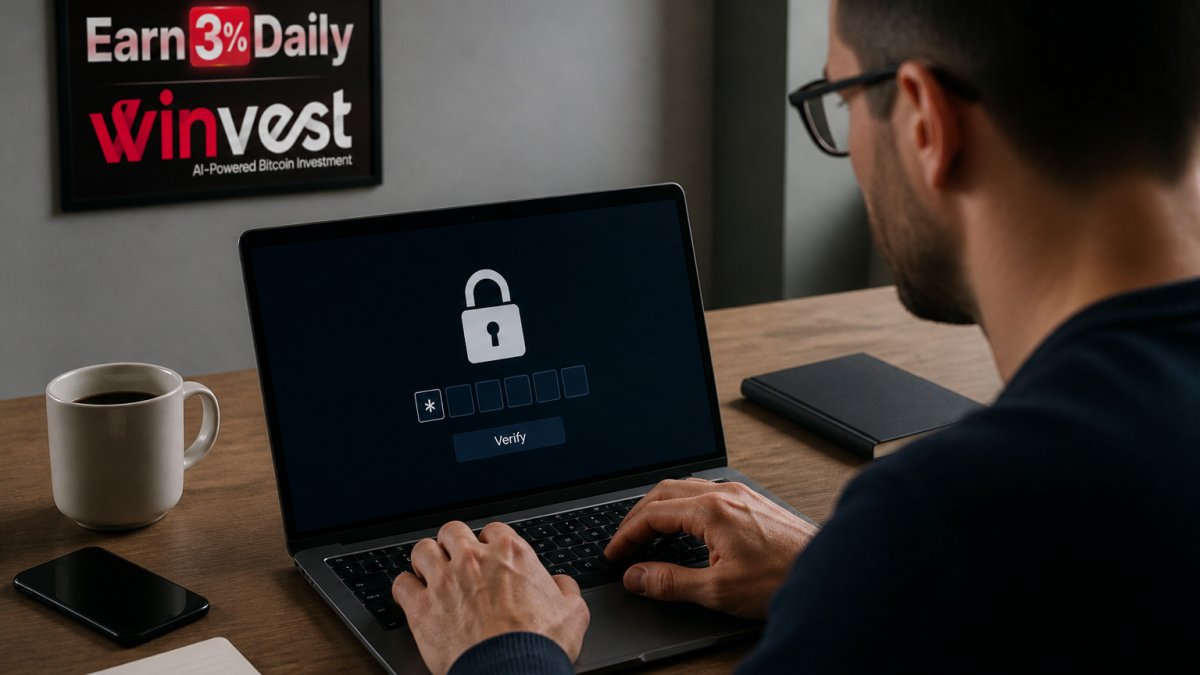
Professional demonstrating secure cryptocurrency exchange login with two-factor authentication on laptop screen, hands typing on keyboard with security lock icon visible

Exchange Failure and Withdrawal Freezes

Even a well-run exchange can freeze withdrawals during stress, and some have failed outright. Keep only trading capital on exchanges, diversify across venues if you trade actively, and test withdrawals before you need them. If an exchange announces delays, reduce exposure rather than treating it as a temporary glitch.

Monitoring and Reviewing Your Risk Plan

Review your plan every month.

If you win 60% of trades but lose more per loss than you win per win, your risk-reward ratio is wrong.


Mitigate crypto trading risks by treating your trading like a business, not a gamble. Start with position sizing. Add stop-losses and take-profits.

These steps won't guarantee profits. Markets are unpredictable. But they'll keep you in the game long enough to learn, improve, and build real wealth.

For a hands-off approach that removes emotion from crypto trading, Winvest offers an AI-powered platform with automated trade execution, transparent fund allocation tracking, and zero-fee withdrawals.

Frequently Asked Questions

What are the main risks of crypto trading?

Crypto trading involves multiple risk types: market volatility creates rapid price fluctuations that can erase capital quickly; leverage and margin trading amplify losses; liquidity risk means you may not exit positions at desired prices; exchange risk occurs if platforms fail or are hacked; and regulatory uncertainty can shift the legal landscape. According to research from the American Accounting Association, understanding how to interact with exchanges and confirming cryptocurrency balances helps mitigate these risks. A comprehensive risk plan addresses each category separately.

How can I reduce risk when trading cryptocurrency?

Start by sizing positions so no single trade risks more than 1-2% of your total capital. Set stop-loss orders to exit losing trades automatically and take-profit orders to lock in gains. Diversify across multiple digital assets rather than concentrating in one. Avoid leverage and margin trading unless you fully understand liquidation mechanics. Use regulated exchanges with strong security practices, enable two-factor authentication, and store most holdings in secure wallets. Review your risk plan monthly and adjust position sizes based on market conditions and your experience level.

How should I set stop-loss and position-size limits for crypto trades?

Position size depends on your account size and risk tolerance. A common rule is to risk only 1-2% of your total capital per trade; if your account is $10,000, each trade risks $100-$200 maximum. Set your stop-loss order at a price level where you're willing to exit, typically 5-15% below your entry depending on the asset's volatility. Calculate your position size so that if the stop-loss triggers, your loss equals your planned risk amount. For example, if you risk $100 and set a stop-loss 10% below entry, buy a position size where a 10% move equals $100. This ensures discipline and prevents emotional decisions.

How can I protect my crypto from scams and account theft?

Use only regulated exchanges that comply with financial oversight and maintain transparent operations. Enable two-factor authentication on all accounts using authenticator apps rather than SMS when available. Never share private keys, seed phrases, or account credentials. Verify URLs carefully before logging in to avoid phishing sites. Be skeptical of unsolicited investment opportunities or guaranteed returns. Research platforms thoroughly and check for official licensing and regulatory compliance. Store the majority of holdings in hardware wallets or cold storage rather than leaving them on exchanges. Regularly review account activity for unauthorized access.


Saturday, October 17, 2026

Simple Crypto Investment for Non-Techies: 2026 Guide

Table of Contents

Last Updated: October 17, 2026

What You Need to Know Before Your First Crypto Investment

Cryptocurrency investing isn't as complicated as it sounds. You don't need a technical background. Whether you're saving for retirement, diversifying your portfolio, or exploring passive income, a simple crypto investment approach works for beginners who want to skip the jargon.

The difference between successful first-time investors and those who struggle is preparation. Before you buy your first Bitcoin or any digital asset, understand what you're purchasing, where to buy it, and how to keep it safe.

Research from the Urban Institute on how people use crypto alongside other financial strategies shows that many crypto owners also maintain traditional savings accounts and retail investments. This means simple crypto investment doesn't have to replace your other financial moves. It works alongside them.

At Winvest, we've helped thousands start their crypto journey with confidence by removing the technical barriers that stop most beginners before they even start.

How to Invest in Cryptocurrency: Your First Steps

Getting started with simple crypto investment follows a clear path: choose a platform, set up your account, add funds, and make your first purchase.

The entire process typically takes less than an hour. Most delays come from second-guessing or market noise. Stick to the steps below and you'll have your first digital assets within an afternoon.

Step 1: Choose Your Investment Platform

Your platform is where you'll buy, sell, and store cryptocurrency. The right choice depends on what you value most: ease of use, security, fees, or available coins.

For beginners, the best platforms prioritize simplicity over advanced features. You don't need charting tools or margin trading, just a clean interface, reliable security, and straightforward buying options.

Look for platforms that offer:

  • Simple account setup (under 10 minutes)
  • Clear pricing with no hidden fees
  • Strong security features built in
  • Customer support you can actually reach
  • Mobile app for easy access

Many platforms now offer automated investing, letting you set up regular purchases without logging in each time. For long-term holders, this removes emotion from the process.

Step 2: Create and Verify Your Account

Account creation is straightforward but requires verification for security: provide basic information, set a strong password, and confirm your identity.

The verification process exists to prevent fraud and comply with financial regulations. It typically involves:

  • Providing your email address and phone number
  • Creating a secure password (mix uppercase, lowercase, numbers, and symbols)
  • Verifying your email and phone through confirmation codes
  • Uploading a government ID for identity verification
  • Confirming your address through a utility bill or bank statement

This usually takes 5-15 minutes, and most platforms verify your account within hours, though some take up to 24. Use the wait to familiarize yourself with the interface.

Security starts here. Use a unique password you don't use anywhere else. Enable two-factor authentication as soon as the option appears. This adds a second layer of protection that makes your account significantly harder to breach.

Pro Tip Write down your password in a secure location separate from your computer. Consider using a password manager like Bitwarden or 1Password to store it safely. Never share your password or recovery codes with anyone, including customer support.

Step 3: Fund Your Account

Adding money connects your bank to the platform, which is why choosing a reputable provider matters.

Most platforms accept:

  • Bank transfers (ACH, wire transfer)
  • Debit cards
  • Credit cards (usually with higher fees)
  • PayPal or similar payment services

Bank transfers typically cost nothing and take 3-5 business days. Debit cards are instant but may carry small fees. Credit cards are fastest but charge the highest fees, so avoid them for simple crypto investment.

Start small with your first deposit. Many beginners deposit $50-$500 for their first purchase. This amount is enough to learn the process without risking more than you're comfortable losing.

Step 4: Make Your First Purchase

Your first buy is simpler than you might expect.

Once funded, navigate to the buy section, select your cryptocurrency (Bitcoin is the most straightforward for beginners), enter the dollar amount, review the total cost including fees, and confirm.

That's it. You now own cryptocurrency.

Your digital assets appear in your account wallet immediately, showing purchase price, current value, and total holdings, with gains or losses in dollars and percentages.

Watch Out Don't panic if the price drops immediately after your purchase. Price fluctuations are normal and expected. Beginners who focus on short-term price movements often make emotional decisions they regret. Set a time horizon of at least 6-12 months before checking your balance regularly.

Best Crypto Apps for Beginners

The right app makes crypto investing feel natural rather than intimidating, prioritizing clear design, educational resources, and straightforward trading.

$$ WINVEST $$ - START EARNING 3% DAILY FOR 60 DAYS NOW! →

Key features to look for in a beginner app:

  • Intuitive interface that doesn't overwhelm with options
  • Built-in price charts and market data
  • Push notifications for price alerts
  • Educational content and tutorials
  • Portfolio tracking that shows your gains or losses
  • Fast customer support through chat or email

Many apps now help beginners avoid common mistakes: diversification suggestions spread risk, and market alerts notify you of significant price movements so you react to data rather than hype.

The best beginner app depends on your priorities, some emphasize security, others education, and many balance both with a clean, simple interface.

Test apps with small amounts first: create accounts on 2-3 platforms, make a small purchase on each, and see which interface feels natural and which support actually helps.

How to Buy Bitcoin for Beginners

Bitcoin is the original cryptocurrency and the most straightforward choice for beginners. It's also the most liquid digital asset, so you can buy and sell easily at any time.

Bitcoin's advantages for beginners:

  • Largest market with most trading volume
  • Most widely accepted and recognized
  • Longest track record (since 2009)
  • Simplest to understand conceptually
  • Available on every major platform

Buying Bitcoin follows the same process as any other cryptocurrency: choose your platform, fund your account, select Bitcoin, and confirm your purchase.

The main decision is how much to buy. Start with whatever feels comfortable, some buy $10 to test the process, others invest $500 or more. The right amount is what you can afford to hold for years without needing it.

Bitcoin's volatility makes timing difficult. Rather than predicting the perfect entry point, many successful beginners use dollar-cost averaging, buying the same dollar amount weekly or monthly regardless of price. This removes emotion and typically beats trying to time the market.

Understanding Crypto Investment Risks

Cryptocurrency is riskier than traditional options like bonds or index funds. Understanding these risks before you invest helps you make informed decisions.

According to NerdWallet's cryptocurrency guidance, crypto remains risky while Charles Schwab's perspective on crypto describes cryptocurrency investments as highly speculative and subject to extreme price volatility, illiquidity, and increased risk of loss.

The main risks include:

Price volatility: Crypto prices can swing 10-20% in a single day. If you can't handle seeing your investment drop 30% without panicking, crypto may not be right for you.

Market cycles: Crypto markets boom and bust. Beginners who buy at peaks often lose money; those who buy during downturns and hold typically profit. Long-term holding usually wins.

Regulatory risk: Government regulations could change the crypto landscape overnight. New rules might make certain coins illegal or restrict how you can buy and sell. This uncertainty creates price pressure.

Platform risk: Even reputable platforms can experience security breaches or operational failures. Keeping all your crypto on a platform means you depend entirely on their security.

Illicit activity: According to TRM Labs' 2026 Crypto Crime Report, illicit crypto volume reached significant levels in 2025.

The best way to manage these risks is to invest only money you can afford to lose completely. Never borrow to buy crypto. Never invest your emergency fund.

Securing Your Digital Assets

Your cryptocurrency is only as safe as your security practices. Unlike bank accounts with FDIC protection, crypto holdings depend entirely on your personal security choices.

Close-up of hands holding smartphone displaying security lock icon with digital wallet interface visible on screen, emphasizing two-factor authentication and password protection

Basic security practices protect your assets:

Use a strong password: Create a unique password at least 16 characters long. Include uppercase letters, lowercase letters, numbers, and symbols. Never reuse passwords across platforms.

Enable two-factor authentication: This requires a second verification step (usually a code from your phone) when logging in. It makes your account dramatically harder to breach.

Keep recovery codes safe: Platforms provide recovery codes that let you regain access if you lose your phone. Store these in a secure location separate from your computer. Never photograph them or email them to yourself.

Use hardware wallets for larger amounts: Once your holdings reach a certain size, consider moving them to a hardware wallet like Ledger or Trezor.

$$ WINVEST $$ - START EARNING 3% DAILY FOR 60 DAYS NOW! →

Never share private keys or seed phrases: Your private key or seed phrase is your master password. Anyone with it can steal all your crypto.

Key Takeaway The single biggest security mistake beginners make is reusing passwords or using weak ones. A strong, unique password is your first line of defense against account takeover.

Common Mistakes to Avoid

Learning from others' mistakes accelerates your success. Most beginner errors fall into predictable patterns.

Mistake 1: Buying based on hype You hear friends talking about a coin that's up 500% this month.

The fix: Make investment decisions based on your plan, not headlines. Ignore social media hype.

Mistake 2: Checking your balance obsessively Watching your balance fluctuate daily creates anxiety and encourages emotional decisions.

The fix: Set a schedule to check your portfolio (monthly or quarterly).

Mistake 3: Trying to time the market You sell because you think the price will drop.

The fix: Buy regularly on a schedule. Hold for years. Ignore short-term price movements.

Mistake 4: Storing crypto on exchanges long-term Exchanges are convenient but not designed for long-term storage.

The fix: Move your holdings to a personal wallet or hardware wallet once they reach significant value.

Mistake 5: Ignoring tax implications Crypto transactions create tax events.

The fix: Keep detailed records of every transaction including date, amount, and price.

What to Do After Your First Investment

Your first purchase is just the beginning. What you do next determines your long-term success.

Week 1-2: Let it settle Resist the urge to constantly check your balance. Your emotions are highest immediately after buying. Let the initial anxiety fade before making any decisions.

Month 1: Review and learn Read about your investment. Understand why you bought it. Learn how the technology works. This knowledge builds confidence and prevents panic selling during price drops.

Month 2-3: Consider diversification If you bought only Bitcoin, consider adding other assets. Ethereum is the second most common choice for beginners.

Ongoing: Stick to your plan Whether you're buying monthly or holding what you have, consistency beats perfection. Most successful crypto investors follow a boring, predictable routine.

Annually: Review and rebalance Once a year, check your portfolio's performance.


Getting started with simple crypto investment is achievable for anyone willing to learn the basics.

Frequently Asked Questions

Can I really invest in cryptocurrency with no technical knowledge?

Yes. Modern crypto apps and platforms are designed for non-technical users. You don't need to understand blockchain technology or quantum analysis to invest. Most platforms handle the technical work automatically. You simply create an account, fund it, and place a buy order, similar to buying stocks through a brokerage app. Platforms like Winvest offer automated trading so you can participate without managing trades yourself.

How much money do I need to start investing in cryptocurrency?

You can start with a modest amount on most platforms. Many exchanges allow fractional purchases, meaning you can buy a portion of a Bitcoin or Ethereum rather than a whole coin. Your initial investment depends on your risk tolerance and financial situation. Start small while you learn how markets work, then increase your investment as you gain confidence.

What are the main risks when investing in crypto?

Cryptocurrency remains highly volatile and speculative. Prices can swing dramatically in hours or days, and you could lose your entire investment. Crypto also faces regulatory uncertainty and security risks like hacks or scams. Unlike traditional bank deposits, crypto is not insured by the FDIC. Before investing, ensure you can afford to lose the money, understand your risk tolerance, and only invest what fits your financial plan.

How do I keep my cryptocurrency safe?

Use two-factor authentication on your exchange account. Store recovery phrases in a secure location, never online or in email. Consider moving large amounts to a digital wallet you control privately, not on an exchange. Never share your private keys or recovery phrases. Use strong, unique passwords for every account. Be cautious of phishing emails and only visit official platform websites directly.

Is Automated Crypto Trading Profitable? A 2026 Guide

Table of Contents

Last Updated: October 15, 2026

Is Automated Crypto Trading Profitable? The Real Answer

The automated crypto trading market was valued at $22.2 billion in 2025 and is projected to reach $66.6 billion by 2033, according to Grand View Research's Automated Crypto Trading Market Size Report.

The question isn't whether the technology works, it's whether it works for you, given your capital, strategy, and risk tolerance.

This guide breaks down what automated crypto trading actually is, why profitability remains elusive for most participants, and how to evaluate whether automation fits your situation.

How Automated Crypto Trading Works

Automated crypto trading executes buy and sell signals without manual intervention. A trading algorithm monitors market conditions, evaluates entry and exit rules, and places orders on your behalf. The process removes emotion and delays, but it doesn't remove the need for a sound underlying strategy.

Trade Execution and Signal Generation

The bot monitors price data, volume, and technical indicators in real time.

Speed matters: a bot executes in milliseconds, a human in seconds or minutes. In volatile markets, that difference can mean the trade fills at your target price or slips significantly.

Professional trader monitoring multiple cryptocurrency price charts and real-time trading data on computer screens in a focused workspace with natural lighting

Strategy Selection and Configuration

Your bot's profitability depends almost entirely on the strategy you choose and how you configure it. Common approaches include trend-following (buying uptrends, selling downtrends), mean reversion (betting that prices return to an average), and dollar-cost averaging (investing fixed amounts on a schedule regardless of price).

Configuration matters enormously. You set parameters like entry thresholds, position size, stop-loss levels, and rebalancing frequency, and a small change can transform a profitable strategy into a losing one.

Crypto Trading Bot Risks You Must Understand

Profitability claims often gloss over the risks that erode returns. Understanding these risks is non-negotiable before you deploy capital.

Market Regime Risk and Volatility

Markets shift between regimes: trending, sideways, volatile spikes, and dead calm. A trend-following bot thrives in strong uptrends but bleeds money in sideways markets, while a mean-reversion bot profits when prices oscillate but gets crushed when a trend begins.

No single strategy works in all conditions. The bot that performed beautifully in 2024's trending market may fail spectacularly in 2026's choppy consolidation. This regime risk is why backtesting alone is insufficient, historical performance never guarantees future results.

Overfitting and Parameter Optimization

This trap catches most traders. You test thousands of parameter combinations on historical data, find a set that generated massive returns over the past 12 months, and deploy it with confidence. Then live trading begins, and returns collapse.

Why? You've optimized for the specific conditions that existed in your backtest. Parameters that worked when Bitcoin was rallying hard may fail when it's consolidating.

Crypto Bot Trading Strategies That Matter

Not all strategies are equal. Understanding the differences helps you evaluate which approach aligns with your risk tolerance and market view.

$$ WINVEST $$ - START EARNING 3% DAILY FOR 60 DAYS NOW! →

Dollar-Cost Averaging and Grid Trading

Dollar-cost averaging (DCA) invests a fixed amount on a schedule, $100 every week, regardless of price.

Grid trading divides a price range into increments, placing buy orders below the current price and sell orders above it.

Both strategies are passive and require minimal configuration. They don't promise explosive returns, but they're less prone to catastrophic failure than strategies that predict price direction.

Trend-Following and Mean Reversion

Trend-following buys when momentum accelerates upward and sells when it reverses, capturing large moves but losing during false breakouts. Mean reversion bets that extreme moves will reverse, buying oversold assets and selling overbought ones; it profits from volatility but fails when trends persist.

These strategies are opposites. One thrives when the other fails. Choosing between them requires honest assessment of current market regime, and even then, you can be wrong.

Crypto Trading Bot Backtesting and Validation

Before risking real capital, validate your strategy. Backtesting and paper trading are your safety nets, but only if run correctly. A sloppy backtest is worse than none because it manufactures false confidence.

The Reproducible Evaluation Workflow

A defensible evaluation follows a fixed sequence. Skipping steps is how traders end up deploying an overfit strategy.

  1. Define the strategy rules in writing. Entry, exit, position size, stop-loss, and time horizon must be explicit before you touch data. If you cannot state the rule in one sentence, you do not have a strategy, you have a curve-fit.
  2. Split your data. Reserve roughly 70% for in-sample development and 30% for out-of-sample validation. Never tune parameters on the out-of-sample slice.
  3. Backtest on the in-sample slice. Record gross return, net return after fees and slippage, maximum drawdown, win rate, average win, average loss, and number of trades. A strategy with fewer than 100 trades is statistically fragile.
  4. Run the out-of-sample test once. If performance collapses, the strategy was overfit. Do not re-tune and re-test on the same slice, that is how you fool yourself.
  5. Walk-forward validation. Re-optimize on a rolling window, then test on the next unseen window, and repeat. This mimics how a live bot actually behaves as markets shift.
  6. Paper trade for 30-60 days. Confirm the live signals match the backtest logic and that fills, fees, and slippage resemble your assumptions.
  7. Deploy small. Start with capital you can afford to lose, then scale only after live results track the validated expectations.

Why Backtests Lie

Three failure modes account for most bad backtests:

  • Look-ahead bias. Using data that would not have been available at the moment of the trade, such as a closing price to trigger an intraday entry.
  • Survivorship and delisting bias. Testing only on coins that still exist today, ignoring the tokens that went to zero.
  • Ignoring costs. A backtest that assumes zero fees and perfect fills will show profits that vanish the moment real execution begins.
Watch Out A backtest is a hypothesis test, not a forecast. Even a clean out-of-sample result only tells you the strategy survived historical conditions, not that it will survive the next regime.

Paper Trading Before Live Deployment

Paper trading simulates real trades without using actual money: your bot executes the same logic, generates the same signals, and records the same outcomes, but no capital moves.

Run paper trading for at least 30-60 days, watching for slippage (the gap between expected and actual fill price), fees, and whether the strategy behaves as predicted. If it shows losses, deploying real capital is premature.

Key Takeaway The goal of validation is not to prove your bot will make money. It is to prove you understand how it loses money before you fund it.

Best Crypto Trading Bots: What to Look For

Choosing a platform matters less than choosing a sound strategy, but reliability, security, and transparency still matter. The most useful filter is whether the platform reports net performance after every cost, not headline gross returns.

Security, API Permissions, and Custody

Never give a bot full account access. Restrict API permissions to trading only, no withdrawals or account changes, and use read-only API keys and withdrawal whitelisting so your capital stays protected even if the bot platform is compromised.

Custody is critical. Do not deposit funds directly into a third-party bot platform; connect your exchange account via API only, so your coins stay on the exchange under your control.

Additional safeguards worth requiring:

$$ WINVEST $$ - START EARNING 3% DAILY FOR 60 DAYS NOW! →

  • IP allowlisting so API keys only work from your server or a fixed address.
  • Two-factor authentication on the exchange account, not just the bot dashboard.
  • Separate sub-accounts so a bot cannot touch your long-term holdings.
  • Withdrawal whitelists that lock funds to addresses you control.

Performance Transparency and Net Returns

Legitimate platforms publish performance data. Look for net returns (after fees and slippage), not gross returns. A bot claiming 50% annual returns while charging 2% monthly in fees delivers far less.

Ask hard questions: What's the win rate? The average loss on losing trades? The maximum drawdown? How many consecutive losing trades occurred? A platform that won't answer is hiding something.

The Costs That Turn Gross Into Net

This is where most profitability claims fall apart. Every automated strategy pays a stack of costs that manual buy-and-hold investors largely avoid:

  • Trading fees. Exchange maker/taker fees typically run in the low tenths of a percent per side. A strategy that trades 20 times a month pays that fee 40 times.
  • Spreads. The gap between bid and ask is a hidden cost on every market order.
  • Slippage. Fast markets fill worse than your signal price, especially on large orders or thin altcoin books.
  • Funding rates. Perpetual futures positions pay or receive funding every few hours, which can quietly drain a carry strategy.
Pro Tip Before trusting any performance number, ask whether it is gross or net, whether fees and slippage are modeled, and over what period. A strategy that is only profitable before costs is not profitable.

Risk-Adjusted Metrics to Demand

Headline return is the least useful number. Insist on:

  • Maximum drawdown, the worst peak-to-trough loss, which tells you whether you can stomach the ride.
  • Volatility, how violently returns swing around the average.
  • Sharpe ratio, return per unit of risk; higher is better, and anything below roughly 1 deserves skepticism.
  • Win rate combined with average win/loss, a 70% win rate means nothing if the 30% losses are five times larger.
  • Risk of ruin, the probability that a losing streak wipes out your account at your chosen position size.

A bot that returns 40% with a 60% drawdown is a very different product from one that returns 15% with a 10% drawdown. The second is usually the better business.

Key Takeaway Profitability is a net, risk-adjusted number. If a platform cannot show you drawdown, fees, and slippage alongside returns, you do not have enough information to judge it.

Why Profitability Is Not Guaranteed

A Coinmonks author ran trading bots exclusively for 30 days and reported losing money, calling the experience educational rather than profitable.

Automated crypto trading is not a passive income machine.

Profitability requires:

  • A strategy with a genuine edge in current market conditions
  • Rigorous validation through backtesting and paper trading
  • Disciplined risk management and position sizing
  • Acceptance that some periods will be unprofitable
  • Ongoing monitoring and willingness to adjust when market regime shifts

Automation doesn't create an edge. It executes the edge you've already validated.


Automated crypto trading can improve execution and remove emotional decision-making, but profitability depends on strategy quality, not technology.

Frequently Asked Questions

Can automated crypto trading bots actually be profitable?

Profitability depends on strategy selection, market conditions, parameter setup, and risk management, not on automation alone. The automated crypto trading market was valued at $22.2 billion in 2025 and projected to grow to $66.6 billion by 2033, reflecting market expansion but not individual trader success. Phemex Academy notes that bots are not profitable by default; a Coinmonks author reported losing money after using trading bots exclusively for 30 days. Success requires understanding your chosen strategy, backtesting thoroughly, and monitoring performance continuously.

What crypto bot trading strategies work best?

Common strategies include dollar-cost averaging (DCA), which spreads purchases over time to reduce volatility impact; grid trading, which automates buy and sell orders across price levels; and trend-following or mean reversion approaches. Each strategy performs differently depending on market regime. In trending markets, trend-following strategies may outperform; in sideways markets, grid trading or DCA may be more suitable. The key is matching your strategy to current market conditions and backtesting it against historical data before deploying real capital.

How do I evaluate a crypto trading bot before using it?

Check the bot's backtesting results using historical data, run paper trading (simulated trades with no real money) for at least 30 days, review its security and API permissions, and verify net returns after all trading fees and exchange slippage. Look for transparent performance reporting, risk-adjusted returns (not just win rate), and clear documentation of drawdown periods. Avoid platforms that guarantee profits or hide their methodology. Test with a small amount of capital first, and always understand the specific strategy the bot uses before committing larger sums.

What are the biggest risks of automated crypto trading?

Market regime risk occurs when a strategy designed for trending markets fails during sideways or volatile conditions. Overfitting happens when a bot is optimized so heavily on past data that it performs poorly on new data. Trading fees and slippage erode returns, especially in volatile markets. Security risks include API key exposure and exchange hacks. Liquidity constraints can prevent the bot from executing trades at expected prices. Additionally, bots do not adapt to major market shocks or black swan events. Always maintain position sizing discipline and capital preservation as core principles.

Wednesday, October 14, 2026

Quantum Analysis in Crypto Trading Explained

Table of Contents

Last Updated: October 13, 2026

What Is Quantum Analysis in Crypto Trading?

Quantum analysis in crypto trading explained refers to applying quantum computing principles and quantum-inspired algorithms to analyze cryptocurrency market data and inform trading decisions.

The crypto market generates enormous data volumes, price movements, trading volume, historical patterns, sentiment signals.

Distinguish quantum analysis from quantum computing. Quantum analysis usually means quantum-inspired optimization techniques running on classical computers.

Key Takeaway Quantum analysis in crypto trading explained is the use of quantum-inspired algorithms and quantum computing concepts to optimize trading strategies and analyze cryptocurrency market data, but the technology is far less mature than the marketing suggests.

Quantum Computing and Cryptocurrency: Separating Fact from Hype

The intersection of quantum computing and cryptocurrency has generated both excitement and misinformation. To evaluate quantum-powered trading claims, understand what quantum computers actually do and what realistic timeline exists for material impact on crypto markets.

How Quantum Computers Work at a High Level

Quantum computers operate on different principles than classical ones. Where classical computers use bits (0 or 1), quantum computers use qubits, which can exist in superposition of both states simultaneously.

For trading applications, this parallel processing could theoretically accelerate optimization problems. A quantum computer might evaluate thousands of trading strategy combinations simultaneously, whereas a classical computer evaluates them sequentially. Research from Taylor & Francis on quantum-inspired multi-objective optimization describes algorithms designed to optimize Bitcoin trading gains, though the supplied research does not report measured performance advantages over classical methods.

In practice, today's quantum computers are limited. Current processors have 50 to 1,000 qubits, but most are highly error-prone. A quantum computer stable enough for real-world trading requires breakthroughs years away.

Cryptographic Foundations and Blockchain Security

Cryptocurrencies like Bitcoin rely on public-key cryptography to secure transactions and verify ownership.

Quantum computers pose a theoretical threat. A sufficiently powerful quantum computer running Shor's algorithm could break the public-key cryptography protecting Bitcoin wallets and signatures, letting an attacker forge signatures and steal funds without the private key.

However, Chainalysis research on quantum computing and cryptocurrency notes that the quantum threat to cryptocurrency is theoretical and development of quantum-resistant solutions provides a preparation window.

The Quantum Threat Timeline: When Should You Actually Worry?

Industry outlooks offer perspective on the urgency of quantum risk. Grayscale's 2026 Digital Asset Outlook explicitly states that it does not expect quantum-related cryptographic vulnerability to meaningfully influence crypto markets in 2026.

The real risk emerges if quantum computers mature faster than expected, or if attackers harvest encrypted transactions today for later decryption ("harvest now, decrypt later").

The bottom line: quantum computing poses a long-term security challenge to cryptocurrency, not an immediate one.

Crypto Trading Indicators and Market Data Analysis

Successful crypto trading relies on analyzing market signals, price movements, volume, momentum, and other indicators. This is where quantitative and algorithmic strategies operate, and where confusion with "quantum analysis" often begins.

Technical Indicators and Price Action

Technical indicators are mathematical calculations based on historical price and volume data, moving averages, RSI, MACD, Bollinger Bands, used to identify trends, momentum shifts, and reversal points.

Price action analysis focuses on how prices move over time, support and resistance, candlestick patterns, trend formation, to make directional predictions and time entries and exits.

The key insight: these tools work with historical data and statistical patterns. They don't require quantum computing.

$$ WINVEST $$ - START EARNING 3% DAILY FOR 60 DAYS NOW! →

Volume Analysis and Market Momentum

Trading volume, coins or contracts traded in a period, reveals market interest and conviction.

Momentum indicators measure the rate of price change. Strong, accelerating momentum tends to persist; when momentum diverges from price (price rises but momentum weakens), reversals often follow.

Again, these calculations are computationally straightforward. The challenge isn't processing power, it's identifying which indicators work in current market conditions, managing false signals, and controlling risk when trades don't go as expected.

Watch Out A common mistake is assuming that more computational power or "quantum analysis" automatically produces better trading results. The real edge comes from signal quality, risk management, and disciplined execution, not raw processing speed.

Algorithmic Crypto Trading Strategies: From Theory to Execution

Algorithmic trading uses programmed rules to execute trades automatically based on market conditions, ranging from simple rule-based systems to complex machine learning models. Understanding how they work, and their limits, is essential for evaluating quantum- or AI-powered trading claims.

Trend Following and Signal Detection

Trend-following strategies assume price movements persist in the short to medium term. When an uptrend is identified, the algorithm buys; when the trend reverses, it exits or reverses position.

The challenge with trend following in crypto is false signals. Crypto markets are volatile and prone to whipsaws, quick reversals that trap traders.

Backtesting and Strategy Performance Evaluation

Backtesting tests a trading strategy against historical data. You define rules, run them against past price data, and measure win rate, average win, average loss, maximum drawdown, and total return.

Backtesting is essential but dangerous. A strategy that looks great on historical data might fail live because:

  • Overfitting: Rules optimized so precisely to past data they don't generalize.
  • Survivorship bias: Testing only on coins that survived, excluding those that crashed.
  • Look-ahead bias: Accidentally using future data to make past decisions.

When evaluating claims about trading performance, whether from quantum analysis, AI, or any other method, demand to see the backtesting methodology. Ask: Was the strategy tested on out-of-sample data (data not used to develop the strategy)?

Crypto Trading Risk Management: Building Realistic Expectations

The most critical component of any trading strategy is risk management. Even a high-win-rate strategy will fail if losses aren't controlled. This is where many quantum and AI trading claims break down.

Understanding Volatility and Liquidity

Volatility measures how much prices fluctuate. Bitcoin volatility can exceed 50% annualized, versus 15-20% for stock indices.

Liquidity refers to how easily you can buy or sell an asset at a given price.

A realistic trading system accounts for both volatility and liquidity: smaller positions during high-volatility periods, avoiding illiquid assets, and stop-losses as predetermined exit points if a trade moves against you.

Data Quality, Bias, and Limitations in Automated Trading

Automated trading systems depend entirely on data quality. If the data is wrong, the strategy is wrong. Common issues:

  • Missing or delayed data: Exchange outages or API failures create gaps.
  • Survivorship bias: Backtests excluding delisted coins overstate returns.
  • Look-ahead bias: Using future information to make past decisions.

Additionally, market conditions change. A strategy that worked in a bull market might fail in a bear market. Crypto markets evolve as new participants enter, regulations change, and technology improves. A system trained on 2023 data might not work in 2026.

Pro Tip Before trusting any automated trading system, quantum, AI, or otherwise, test it on completely separate, recent data that was not used to develop it. If the system's creators won't share independent verification, that's a major red flag.

How to Evaluate Claims About AI and Quantum-Powered Trading

Marketing claims about AI and quantum trading are everywhere. Most are misleading. Here's how to separate legitimate technology from hype.

Red Flags and Questions to Ask

When evaluating a trading platform or strategy, watch for these warning signs:

  • Guaranteed returns: No legitimate system can guarantee returns. Markets are uncertain. Any claim of "3% daily" or "guaranteed profit" is a red flag.
  • Vague methodology: If the platform won't explain how it works or keeps the algorithm secret, that's suspicious. Legitimate systems can describe their approach without revealing proprietary details.
  • No independent verification: Ask for third-party audits or independent performance data. If only the company provides numbers, they're suspect.
Professional investor reviewing trading data and performance metrics on multiple monitors in modern office environment with natural lighting

Transparency, Backtesting Evidence, and Real-World Performance

Legitimate trading systems should provide:

$$ WINVEST $$ - START EARNING 3% DAILY FOR 60 DAYS NOW! →

  • Clear methodology: How does it identify trades? What rules and risk controls apply?
  • Backtesting results: Historical performance with methodology described, were fees and slippage included? Was the data out-of-sample?
  • Real-world performance: Live results from independent sources, not just company claims.

When a platform claims "quantum analysis," ask: Does it use actual quantum hardware or quantum-inspired algorithms? If quantum-inspired, how does it differ from classical machine learning? What evidence shows quantum approaches outperform classical ones?

Getting Started with Data-Driven Crypto Analysis

If you want to build your own data-driven trading approach or evaluate platforms like Winvest, here's a practical framework.

Step 1: Choose Your Data Sources and Market Metrics

Start with reliable data sources. Major exchanges (Coinbase, Kraken, Binance) provide historical price and volume data via APIs. Blockchain analytics platforms offer on-chain data, transaction volume, wallet activity, and network metrics.

Define your metrics: price momentum, volume trends, on-chain activity. Each tells a different story, price momentum alone is incomplete without volume confirmation and risk context.

Step 2: Build or Select Your Analysis Framework

You can build your own system using Python libraries like pandas and scikit-learn, or use established platforms. Winvest, for example, combines AI-driven analysis with automated execution, removing the need to code.

If you build your own system, start simple: a trend-following strategy based on moving averages and volume confirmation. Backtest rigorously, measuring win rate, average win, average loss, and maximum drawdown, then refine.

Step 3: Test Before Deploying Real Capital

Never deploy real money to a new strategy without extensive testing.

Monitor closely. If live results diverge significantly from backtests, the strategy may be overfitted or conditions may have changed, be prepared to adjust or abandon it.


Evaluating quantum analysis in crypto trading explained requires cutting through marketing hype and focusing on fundamentals: signal quality, risk management, and independent verification.

Frequently Asked Questions

What does quantum analysis mean in crypto trading?

Quantum analysis in crypto trading refers to using quantum-inspired algorithms or quantum computing concepts to process market data and identify trading signals. In practice, most current applications use quantum-inspired optimization techniques rather than true quantum computers. These methods analyze price action, volume, and historical data to detect patterns that inform trading decisions. However, quantum analysis is distinct from quantitative analysis, which uses traditional mathematical and statistical methods on market data.

Is quantum analysis the same as quantum computing?

No. Quantum computing is a hardware technology that uses quantum bits (qubits) to perform calculations fundamentally differently from classical computers. Quantum analysis refers to applying quantum-inspired algorithms or quantum computing principles to market data analysis. Most crypto trading platforms use quantitative analysis (traditional statistical methods) or quantum-inspired optimization, not actual quantum computers. Understanding this distinction helps you evaluate marketing claims that conflate the two terms.

Can quantum computing predict cryptocurrency prices?

Quantum computers could theoretically process vast datasets faster than classical computers, potentially identifying complex patterns in market data. However, no quantum computer has yet demonstrated superior cryptocurrency price prediction compared to classical methods. Research shows quantum-based approaches achieve performance comparable to traditional algorithms, not superior results. Price prediction remains inherently uncertain because crypto markets are influenced by sentiment, regulation, and unpredictable events that no algorithm can fully anticipate.

How can traders evaluate claims about AI or quantum-powered crypto trading?

Ask for specific evidence: What is the actual win rate, and over how many trades? Has performance been independently verified or backtested on historical data? What are the real fees and lock-up periods? Legitimate platforms provide transparent methodology, acknowledge losses, and explain how they manage volatility and liquidity. Be skeptical of guaranteed returns, vague descriptions of technology, or pressure to deposit quickly. Request documentation of regulatory compliance and ask whether the platform publishes detailed trade logs.

What data do crypto trading analysis tools use?

Crypto trading tools analyze real-time price data, historical price movements, trading volume, market momentum, and technical indicators like moving averages and relative strength. Some tools also incorporate blockchain data such as transaction counts and wallet activity. The quality of your analysis depends on data accuracy, frequency of updates, and how far back the historical data extends. Poor data quality, gaps, or bias toward certain market conditions can lead to flawed trading signals.

What is the difference between quantum computing and quantitative analysis?

Quantitative analysis uses mathematical and statistical methods to analyze market data on classical computers. It examines price trends, volume patterns, and technical indicators to inform trading decisions. Quantum computing is a hardware technology that could theoretically perform certain calculations faster. Most crypto trading platforms use quantitative analysis, not quantum computers. Understanding this distinction prevents confusion when platforms market their services as 'quantum-powered' when they actually use traditional quantitative methods.

How is quantitative analysis used in crypto trading?

Quantitative analysis examines market data including price action, trading volume, volatility, and liquidity to identify patterns and generate trading signals. Traders use technical indicators, statistical models, and algorithmic rules to automate decisions. The process involves backtesting strategies on historical data to evaluate performance, then deploying the strategy with real capital. Success depends on data quality, realistic assumptions about market conditions, and proper risk controls to manage losses during volatile periods.

Is the quantum threat to cryptocurrency imminent?

Industry research indicates the quantum threat to cryptocurrency is not imminent. Grayscale's 2026 outlook states it does not expect quantum-related cryptographic vulnerability to meaningfully influence crypto markets in 2026. While quantum computers could theoretically break current cryptographic methods in the future, development of quantum-resistant solutions provides a window for preparation. The timeline remains uncertain, and the crypto industry is already exploring post-quantum cryptography as a precaution.

Monday, October 12, 2026

How to Verify Crypto Platform Legality: A 2026 Guide

Table of Contents

Last Updated: October 12, 2026

Why Verifying Crypto Platform Legality Matters in 2026

Illicit crypto volume hit $158 billion in 2025, nearly 145% higher than in 2024, according to TRM Labs' 2026 Crypto Crime Report. That number should make anyone pause before sending money to an unfamiliar exchange.

The stakes are personal. The FBI's 2024 Internet Crime Report, cited by Valid8 Financial, puts reported losses from crypto-related investment fraud above $6.5 billion. Most of that money moved through platforms that looked polished and professional right up until withdrawals stopped working.

Below, we'll show you exactly how to check a platform's legal status in about 15 minutes, and what to do if something looks wrong.

Key Takeaway Verifying crypto platform legality means checking three separate things: who owns the company, whether that company is registered with a financial regulator, and whether the platform's claims match public records. One check alone proves nothing.

Crypto Exchange Registration Lookup: The First Step

A crypto exchange registration lookup starts with two pieces of information: the platform's legal company name and the jurisdiction where it claims to be authorized.

Process flow to verify crypto platform by comparing regulatory data with exchange registration details

Once you have the legal name, you need to know which register to search.

Platform claims to be based in Primary regulator to search What the record should show
A specific U.S. state That state's money transmitter or financial services regulator (for example, the New York Department of Financial Services or the California Department of Financial Protection and Innovation) An active license or registration number tied to the legal entity name
Nationwide U.S. money transmission FinCEN's MSB Registration Search The legal entity name registered as a Money Services Business, with an active registration
A federal savings or trust charter Office of the Comptroller of the Currency (OCC) institution search A national trust bank or savings association charter in the entity's legal name
A futures or derivatives product Commodity Futures Trading Commission (CFTC) and National Futures Association (NFA) BASIC search Registration as a futures commission merchant, swap dealer, or introducing broker
A securities-like token offering Securities and Exchange Commission (SEC) EDGAR and state securities regulators Filings or exemptions under the entity's legal name
Offshore or "international" The regulator the platform names in its terms, plus FinCEN's MSB list if it serves U.S. customers A license number you can independently confirm on the regulator's own site

Two rules apply to every row. First, always search the regulator's own website, not a link the platform provides. A clone site can mirror a real regulator's branding.

Matching an entity sounds simple. It rarely is. Platforms often operate under a parent company with a different name than the brand you see. A site called one thing might be owned by a corporation registered under something else entirely.

Run these four checks against the regulator's record before you trust the match:

  1. Legal name. The entity name on the regulator's record should match the name in the platform's terms of service, not just the brand on the homepage.
  2. Registration or license number. Copy the number from the regulator's site and search it again directly. If the number does not return the same entity, you may be looking at a clone firm, a scam that copies a real license number onto a fake website.
  3. Address. Compare the business address on the record against the address on the platform's contact page. A mismatch is not automatically fraud, but it needs a written explanation.
  4. Permitted activities. The record will state what the entity is allowed to do. A license to transmit money is not a license to offer investments, and a registration to trade futures is not a license to custody customer Bitcoin.

If the names do not match, ask the platform's support team to explain the relationship in writing. A legitimate operator will answer clearly and point you to the correct record. A scam will deflect, delay, or send you a PDF instead of a link to the regulator's own site.

Registration, Licensing, and Incorporation: What's the Difference?

These three terms get used interchangeably. They shouldn't be.

  • Incorporation means a company legally exists. A Delaware or Wyoming incorporation certificate says nothing about whether the company can handle your money.
  • Registration means the company filed paperwork with a regulator. FinCEN MSB registration, for example, is a filing requirement, it is not the same as a state money transmitter license, and it does not mean the platform has been examined or approved.
  • Licensing means a regulator granted permission to operate under specific rules, and can revoke it. State money transmitter licenses, trust charters, and CFTC registrations fall here.

A platform can be incorporated, FinCEN-registered, and still not licensed to serve customers in your state. That gap is where most confusion lives, and it is the single most common source of false reassurance in this space.

$$ WINVEST $$ - START EARNING 3% DAILY FOR 60 DAYS NOW! →

Watch Out Completing identity verification on a platform does not prove the platform is licensed. KYC checks confirm who you are, not whether the company is authorized. Treating them as the same check is a common and costly mistake.

How to Verify a Crypto Trading App Before You Deposit

Verifying a crypto trading app takes five concrete steps. Do all five before you deposit anything.

  1. Find the legal entity name in the app's terms of service or website footer.
  2. Search that name in your state's financial regulator database and any federal registration list that applies.
  3. Confirm the app's developer in the Apple App Store or Google Play listing matches the legal entity.
  4. Check the app's privacy policy for what data it collects and where it sends it.
  5. Test a small withdrawal before committing larger funds.

That last step matters more than people expect. A platform that processes small withdrawals smoothly is at least functional. A platform that stalls on a $50 withdrawal will almost certainly stall on $5,000.

The Consumer Financial Protection Bureau publishes guidance on how to spot financial fraud and where to report it. Their materials apply to crypto platforms the same way they apply to other financial services.

Crypto Platform Scam Warning Signs to Watch For

Crypto platform scam warning signs cluster around a few patterns. Guaranteed returns top the list. No legitimate investment can promise a fixed return with no risk, because markets move.

Other red flags:

  • Withdrawal delays that come with new "verification" requirements
  • Support that only communicates through chat apps or Telegram
  • Pressure to recruit friends or family to unlock higher returns
  • A website with no physical address or a fake one
  • Reviews that appeared all at once, with identical phrasing

The reported share of crypto activity classified as illicit actually fell slightly, from 1.3% in 2024 to 1.2% in 2025, per TRM Labs. That's good news in aggregate. It doesn't help you if the one platform you chose sits in that 1.2%.

Crypto Platform Security Checklist for Everyday Users

Most security checklists for crypto platforms focus on your account, 2FA, password managers, withdrawal whitelists. Those matter, but they do not tell you whether the platform itself is legally allowed to hold your money. Use this checklist to test the platform's legal and operational claims, not just your own login hygiene.

Legal and ownership checks

  • The platform's terms of service name a specific legal entity, not just a brand
  • That entity appears in the regulator's public register under the same name
  • The registration or license number on the platform's site matches the regulator's record when you search it independently
  • The platform's physical address matches the address on the regulator's record
  • The platform names the regulator it answers to, and you can find that regulator's own website
  • Ownership is disclosed, you can identify the parent company or controlling entity

Operational red flags

  • Withdrawals process without new "verification" steps being added after you deposit
  • Support responds through documented channels, not only Telegram or WhatsApp
  • No representative promises a fixed or guaranteed return
  • No pressure to recruit friends or family to unlock higher tiers
  • Reviews are spread over time, not posted in a single burst with identical phrasing
  • The platform does not require you to pay a "tax" or "release fee" before withdrawing

Independent verification beyond the platform's own claims

  • Search the entity name plus the word "complaint" and read results on the regulator's site, the Better Business Bureau, and state attorney general press releases
  • Check whether the platform appears on the SEC's investor alert list or a state regulator's enforcement action page
  • Confirm the app developer name in the Apple App Store or Google Play listing matches the legal entity in the terms of service
  • Test a small withdrawal before committing larger funds

That last item matters more than people expect. A platform that processes a small withdrawal smoothly is at least functional.

$$ WINVEST $$ - START EARNING 3% DAILY FOR 60 DAYS NOW! →

Pro Tip Set up withdrawal address whitelisting the day you open an account, not after you've funded it. Once a whitelist is active, a stolen password can't move your funds to an attacker's wallet, but whitelisting does nothing if the platform itself is unlicensed and simply refuses to release your balance.

What to Do If a Platform Looks Unregistered or Fraudulent

Stop depositing immediately if a platform can't produce a clear registration record. Don't wait for a withdrawal to fail first.

Then take these steps:

  1. Document everything: screenshots, transaction IDs, chat logs, email threads.
  2. Report the platform to your state financial regulator and the FBI's Internet Crime Complaint Center.
  3. Contact your bank or card issuer if you funded the account with fiat currency.
  4. Warn others in the communities where you first heard about the platform.

Recovery is difficult once crypto leaves your wallet. Speed matters more than anything else.

At Winvest, we built our platform around this exact problem. Every investor receives an official legal share certificate, and our legal entity, Wealth Invest Corp, is verifiable through public business records. Withdrawals carry zero fees, and our AI-driven trading engine runs on a decentralized blockchain framework with a historically observed win rate above 80%. You can open an account and see the structure for yourself before committing funds.

Conclusion: Building a Verification Habit

Verification isn't a one-time task. Platforms change ownership, regulators update their registers, and new scams appear every quarter. The investors who avoid trouble are the ones who check before every deposit, not just the first one.

Winvest gives you a platform built for that kind of scrutiny. Our proprietary AI trading engine, fixed 3% daily return over 60 days, and zero-fee Bitcoin withdrawals are all documented up front, and our legal entity is on the record.

Open an account with Winvest and start with a platform you can actually verify.

Frequently Asked Questions

How can I check whether a crypto platform is registered to operate?

Start with a crypto exchange registration lookup. Find the platform's legal entity name in its terms of service or footer, then search that exact name on the relevant financial regulator's public register. Match the name, registration number, and status. A platform's own marketing claims are not proof of registration. If the entity name does not appear, treat the platform as unverified until you can confirm it through an official source.

Does completing KYC mean a crypto platform is legitimate?

No. KYC is a customer-verification process, not a licensing check. Platforms collect identity documents such as a passport, driver's license, or proof of address to meet anti-money laundering (AML) obligations, but completing KYC does not confirm the platform is registered or authorized. A platform can run identity checks and still operate without proper registration. Always verify the legal entity separately against a regulator's record.

What are the warning signs of a fake crypto exchange?

Common crypto platform scam warning signs include guaranteed high returns, pressure to deposit quickly, no verifiable legal entity, unresponsive support, withdrawal delays or new fees before you can cash out, and websites with recently registered domains. Investment fraud involving cryptocurrency accounted for more than $6.5 billion in reported losses, according to the FBI's 2024 Internet Crime Report. If several of these signs appear together, stop and verify before depositing.

How do I verify a crypto trading app before installing it?

Check the app publisher name against the platform's stated legal entity, review the app's permissions, and look for a verifiable company address and support channel. Cross-reference the app with the platform's official website rather than downloading from a link in an email or message. Also confirm the platform's registration through a regulator lookup. If the app publisher and the legal entity do not match, treat it as a red flag and do not deposit funds.

How to Mitigate Crypto Trading Risks: A Step-by-Step Guide

Table of Contents Understanding Crypto Trading Risk Exposure Crypto Risk Management Strategies That Work Step 1: Establish Your Risk Tolera...