Table of Contents
- What You Need to Know Before Your First Crypto Investment
- How to Invest in Cryptocurrency: Your First Steps
- Best Crypto Apps for Beginners
- How to Buy Bitcoin for Beginners
- Understanding Crypto Investment Risks
- Securing Your Digital Assets
- Common Mistakes to Avoid
- What to Do After Your First Investment
- Frequently Asked Questions
Last Updated: October 17, 2026
What You Need to Know Before Your First Crypto Investment
Cryptocurrency investing isn't as complicated as it sounds. You don't need a technical background. Whether you're saving for retirement, diversifying your portfolio, or exploring passive income, a simple crypto investment approach works for beginners who want to skip the jargon.
The difference between successful first-time investors and those who struggle is preparation. Before you buy your first Bitcoin or any digital asset, understand what you're purchasing, where to buy it, and how to keep it safe.
Research from the Urban Institute on how people use crypto alongside other financial strategies shows that many crypto owners also maintain traditional savings accounts and retail investments. This means simple crypto investment doesn't have to replace your other financial moves. It works alongside them.
At Winvest, we've helped thousands start their crypto journey with confidence by removing the technical barriers that stop most beginners before they even start.
How to Invest in Cryptocurrency: Your First Steps
Getting started with simple crypto investment follows a clear path: choose a platform, set up your account, add funds, and make your first purchase.
The entire process typically takes less than an hour. Most delays come from second-guessing or market noise. Stick to the steps below and you'll have your first digital assets within an afternoon.
Step 1: Choose Your Investment Platform
Your platform is where you'll buy, sell, and store cryptocurrency. The right choice depends on what you value most: ease of use, security, fees, or available coins.
For beginners, the best platforms prioritize simplicity over advanced features. You don't need charting tools or margin trading, just a clean interface, reliable security, and straightforward buying options.
Look for platforms that offer:
- Simple account setup (under 10 minutes)
- Clear pricing with no hidden fees
- Strong security features built in
- Customer support you can actually reach
- Mobile app for easy access
Many platforms now offer automated investing, letting you set up regular purchases without logging in each time. For long-term holders, this removes emotion from the process.
Step 2: Create and Verify Your Account
Account creation is straightforward but requires verification for security: provide basic information, set a strong password, and confirm your identity.
The verification process exists to prevent fraud and comply with financial regulations. It typically involves:
- Providing your email address and phone number
- Creating a secure password (mix uppercase, lowercase, numbers, and symbols)
- Verifying your email and phone through confirmation codes
- Uploading a government ID for identity verification
- Confirming your address through a utility bill or bank statement
This usually takes 5-15 minutes, and most platforms verify your account within hours, though some take up to 24. Use the wait to familiarize yourself with the interface.
Security starts here. Use a unique password you don't use anywhere else. Enable two-factor authentication as soon as the option appears. This adds a second layer of protection that makes your account significantly harder to breach.
Step 3: Fund Your Account
Adding money connects your bank to the platform, which is why choosing a reputable provider matters.
Most platforms accept:
- Bank transfers (ACH, wire transfer)
- Debit cards
- Credit cards (usually with higher fees)
- PayPal or similar payment services
Bank transfers typically cost nothing and take 3-5 business days. Debit cards are instant but may carry small fees. Credit cards are fastest but charge the highest fees, so avoid them for simple crypto investment.
Start small with your first deposit. Many beginners deposit $50-$500 for their first purchase. This amount is enough to learn the process without risking more than you're comfortable losing.
Step 4: Make Your First Purchase
Your first buy is simpler than you might expect.
Once funded, navigate to the buy section, select your cryptocurrency (Bitcoin is the most straightforward for beginners), enter the dollar amount, review the total cost including fees, and confirm.
That's it. You now own cryptocurrency.
Your digital assets appear in your account wallet immediately, showing purchase price, current value, and total holdings, with gains or losses in dollars and percentages.
Best Crypto Apps for Beginners
The right app makes crypto investing feel natural rather than intimidating, prioritizing clear design, educational resources, and straightforward trading.
$$ WINVEST $$ - START EARNING 3% DAILY FOR 60 DAYS NOW! →
Key features to look for in a beginner app:
- Intuitive interface that doesn't overwhelm with options
- Built-in price charts and market data
- Push notifications for price alerts
- Educational content and tutorials
- Portfolio tracking that shows your gains or losses
- Fast customer support through chat or email
Many apps now help beginners avoid common mistakes: diversification suggestions spread risk, and market alerts notify you of significant price movements so you react to data rather than hype.
The best beginner app depends on your priorities, some emphasize security, others education, and many balance both with a clean, simple interface.
Test apps with small amounts first: create accounts on 2-3 platforms, make a small purchase on each, and see which interface feels natural and which support actually helps.
How to Buy Bitcoin for Beginners
Bitcoin is the original cryptocurrency and the most straightforward choice for beginners. It's also the most liquid digital asset, so you can buy and sell easily at any time.
Bitcoin's advantages for beginners:
- Largest market with most trading volume
- Most widely accepted and recognized
- Longest track record (since 2009)
- Simplest to understand conceptually
- Available on every major platform
Buying Bitcoin follows the same process as any other cryptocurrency: choose your platform, fund your account, select Bitcoin, and confirm your purchase.
The main decision is how much to buy. Start with whatever feels comfortable, some buy $10 to test the process, others invest $500 or more. The right amount is what you can afford to hold for years without needing it.
Bitcoin's volatility makes timing difficult. Rather than predicting the perfect entry point, many successful beginners use dollar-cost averaging, buying the same dollar amount weekly or monthly regardless of price. This removes emotion and typically beats trying to time the market.
Understanding Crypto Investment Risks
Cryptocurrency is riskier than traditional options like bonds or index funds. Understanding these risks before you invest helps you make informed decisions.
According to NerdWallet's cryptocurrency guidance, crypto remains risky while Charles Schwab's perspective on crypto describes cryptocurrency investments as highly speculative and subject to extreme price volatility, illiquidity, and increased risk of loss.
The main risks include:
Price volatility: Crypto prices can swing 10-20% in a single day. If you can't handle seeing your investment drop 30% without panicking, crypto may not be right for you.
Market cycles: Crypto markets boom and bust. Beginners who buy at peaks often lose money; those who buy during downturns and hold typically profit. Long-term holding usually wins.
Regulatory risk: Government regulations could change the crypto landscape overnight. New rules might make certain coins illegal or restrict how you can buy and sell. This uncertainty creates price pressure.
Platform risk: Even reputable platforms can experience security breaches or operational failures. Keeping all your crypto on a platform means you depend entirely on their security.
Illicit activity: According to TRM Labs' 2026 Crypto Crime Report, illicit crypto volume reached significant levels in 2025.
The best way to manage these risks is to invest only money you can afford to lose completely. Never borrow to buy crypto. Never invest your emergency fund.
Securing Your Digital Assets
Your cryptocurrency is only as safe as your security practices. Unlike bank accounts with FDIC protection, crypto holdings depend entirely on your personal security choices.
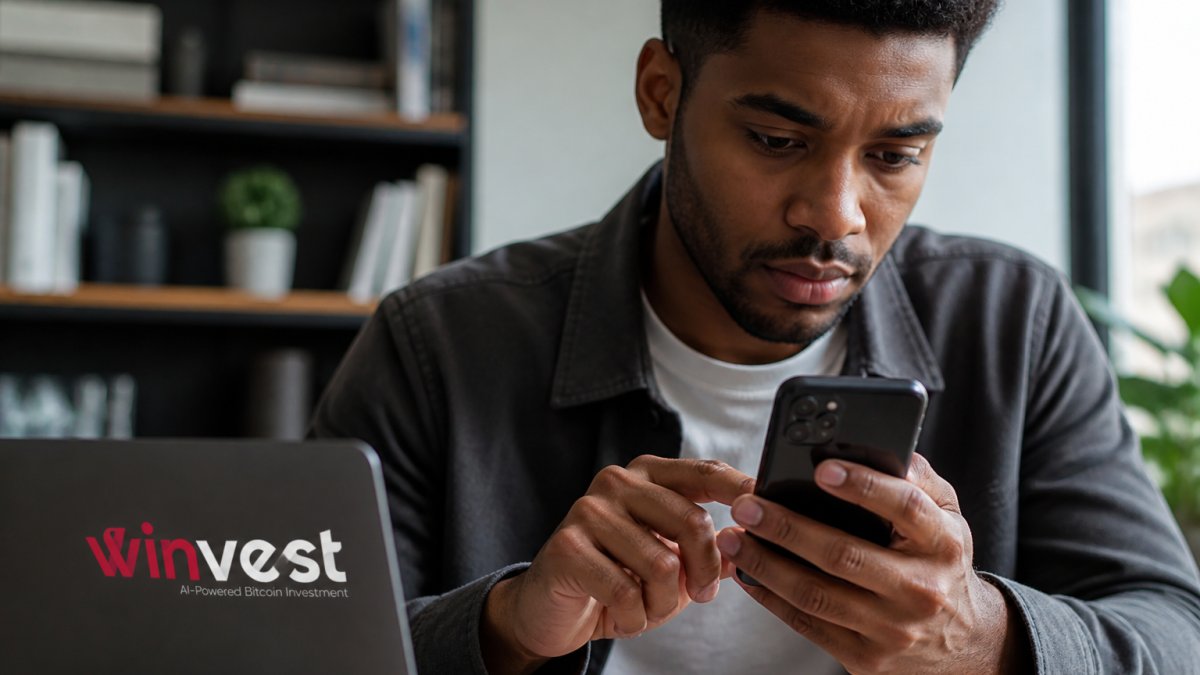
Basic security practices protect your assets:
Use a strong password: Create a unique password at least 16 characters long. Include uppercase letters, lowercase letters, numbers, and symbols. Never reuse passwords across platforms.
Enable two-factor authentication: This requires a second verification step (usually a code from your phone) when logging in. It makes your account dramatically harder to breach.
Keep recovery codes safe: Platforms provide recovery codes that let you regain access if you lose your phone. Store these in a secure location separate from your computer. Never photograph them or email them to yourself.
Use hardware wallets for larger amounts: Once your holdings reach a certain size, consider moving them to a hardware wallet like Ledger or Trezor.
$$ WINVEST $$ - START EARNING 3% DAILY FOR 60 DAYS NOW! →
Never share private keys or seed phrases: Your private key or seed phrase is your master password. Anyone with it can steal all your crypto.
Common Mistakes to Avoid
Learning from others' mistakes accelerates your success. Most beginner errors fall into predictable patterns.
Mistake 1: Buying based on hype You hear friends talking about a coin that's up 500% this month.
The fix: Make investment decisions based on your plan, not headlines. Ignore social media hype.
Mistake 2: Checking your balance obsessively Watching your balance fluctuate daily creates anxiety and encourages emotional decisions.
The fix: Set a schedule to check your portfolio (monthly or quarterly).
Mistake 3: Trying to time the market You sell because you think the price will drop.
The fix: Buy regularly on a schedule. Hold for years. Ignore short-term price movements.
Mistake 4: Storing crypto on exchanges long-term Exchanges are convenient but not designed for long-term storage.
The fix: Move your holdings to a personal wallet or hardware wallet once they reach significant value.
Mistake 5: Ignoring tax implications Crypto transactions create tax events.
The fix: Keep detailed records of every transaction including date, amount, and price.
What to Do After Your First Investment
Your first purchase is just the beginning. What you do next determines your long-term success.
Week 1-2: Let it settle Resist the urge to constantly check your balance. Your emotions are highest immediately after buying. Let the initial anxiety fade before making any decisions.
Month 1: Review and learn Read about your investment. Understand why you bought it. Learn how the technology works. This knowledge builds confidence and prevents panic selling during price drops.
Month 2-3: Consider diversification If you bought only Bitcoin, consider adding other assets. Ethereum is the second most common choice for beginners.
Ongoing: Stick to your plan Whether you're buying monthly or holding what you have, consistency beats perfection. Most successful crypto investors follow a boring, predictable routine.
Annually: Review and rebalance Once a year, check your portfolio's performance.
Getting started with simple crypto investment is achievable for anyone willing to learn the basics.
Frequently Asked Questions
Can I really invest in cryptocurrency with no technical knowledge?
Yes. Modern crypto apps and platforms are designed for non-technical users. You don't need to understand blockchain technology or quantum analysis to invest. Most platforms handle the technical work automatically. You simply create an account, fund it, and place a buy order, similar to buying stocks through a brokerage app. Platforms like Winvest offer automated trading so you can participate without managing trades yourself.
How much money do I need to start investing in cryptocurrency?
You can start with a modest amount on most platforms. Many exchanges allow fractional purchases, meaning you can buy a portion of a Bitcoin or Ethereum rather than a whole coin. Your initial investment depends on your risk tolerance and financial situation. Start small while you learn how markets work, then increase your investment as you gain confidence.
What are the main risks when investing in crypto?
Cryptocurrency remains highly volatile and speculative. Prices can swing dramatically in hours or days, and you could lose your entire investment. Crypto also faces regulatory uncertainty and security risks like hacks or scams. Unlike traditional bank deposits, crypto is not insured by the FDIC. Before investing, ensure you can afford to lose the money, understand your risk tolerance, and only invest what fits your financial plan.
How do I keep my cryptocurrency safe?
Use two-factor authentication on your exchange account. Store recovery phrases in a secure location, never online or in email. Consider moving large amounts to a digital wallet you control privately, not on an exchange. Never share your private keys or recovery phrases. Use strong, unique passwords for every account. Be cautious of phishing emails and only visit official platform websites directly.


No comments:
Post a Comment